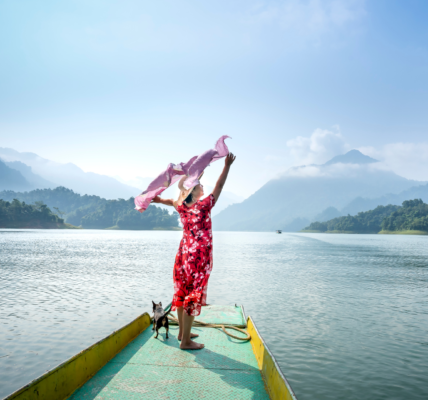

Why Solo Travel is Becoming More Popular: Insights into the Rise of Independent Exploration

Solo travel has seen a significant rise in popularity in recent years, driven by a desire for self-discovery and personal growth. Many individuals are drawn to the freedom and flexibility that solo travel offers, allowing them to craft their own experiences without compromise. This shift reflects a broader cultural movement towards independence and exploration.
Travelers increasingly seek opportunities to connect with themselves and their surroundings in meaningful ways. Solo adventures enable individuals to immerse themselves in new cultures, meet diverse people, and learn at their own pace. The growth of online communities and resources has also made it easier for solo travelers to find support and inspiration.
As the stigma around traveling alone diminishes, more people are embracing the solo journey. With the ability to curate unique experiences tailored to individual interests, solo travel not only empowers personal fulfillment but also enhances overall well-being. This trend indicates a deeper understanding of the value of personal time and exploration in today’s fast-paced world.
The Rise of Solo Travel
Solo travel is experiencing an increase in popularity due to changing cultural attitudes, advancements in technology, and significant trends among travelers. Individuals are embracing the freedom that solo journeys provide, leading to a shift in travel preferences.
Cultural Shift and Individualism
The modern world values individualism more than ever. More people are seeking personal growth and independence through solo travel. It allows travelers to focus on their own interests without the need to accommodate others.
Traveling alone encourages self-discovery. Individuals can create their own itineraries and explore destinations at their own pace. This shift reflects a broader cultural trend toward self-empowerment and the desire for unique experiences.
Technological Advancements and Accessibility
Technology plays a crucial role in the rise of solo travel. Mobile apps and travel platforms have made planning trips easier. Travelers can access information, book accommodations, and connect with locals instantly.
Social media also influences solo travel. Platforms allow solo travelers to share experiences and tips. This connectivity fosters a sense of community, motivating more people to embark on their own solo adventures.
Statistics and Trends in Solo Trips
Recent studies show a notable increase in solo travelers. According to research, 42% of Americans reported taking at least one solo trip in the last year. This trend is particularly strong among millennials and Gen Z individuals, who prioritize unique experiences.
Data from travel agencies reveals rising bookings for solo trips. Popular destinations for solo travelers include Japan, Thailand, and Portugal. This shift in preferences demonstrates that solo travel is not just a fleeting trend but a lasting change in how people perceive travel.
Benefits and Motivations for Traveling Alone
Traveling alone offers numerous advantages that resonate deeply with those seeking personal fulfillment. A sense of independence, the freedom to make choices, and opportunities for self-care motivate many individuals to embark on solo journeys.
Self-Discovery and Personal Growth
Traveling alone provides an opportunity for profound self-discovery. When individuals step out of their comfort zones, they confront new challenges and experiences that promote personal growth.
Benefits include:
- Reflection: Solo travel encourages introspection. Being alone allows travelers to process their thoughts and emotions without distractions.
- Confidence Building: Successfully navigating new environments can significantly boost self-esteem. Solving problems independently empowers individuals.
- Resilience: Facing uncertainties fosters adaptability. Individuals learn to handle unexpected situations with poise.
These experiences can lead to a clearer understanding of personal values and aspirations.
Freedom to Plan and Navigate
One key advantage of solo travel is the unmatched freedom to create an itinerary. Independent travelers can explore destinations at their own pace, selecting activities that align with their interests.
Important aspects include:
- Flexibility: Without the need to compromise with others, solo travelers can change plans spontaneously. This adaptability enhances the travel experience.
- Personal Interest Focus: Individuals can pursue hobbies or attractions that truly excite them without worrying about others’ preferences.
- Time Management: Travelers can allocate time as they see fit, maximizing enjoyment and minimizing stress.
This autonomy can transform travel from a chore into an enriching adventure.
The Allure of Uninhibited Adventure
Solo travel opens doors to adventures free from social expectations. Individuals can immerse themselves fully in experiences without the influence of companions.
Key elements include:
- Cultural Engagement: Being alone can lead to deeper connections with locals. Solo travelers often find it easier to approach new people and share experiences.
- Spontaneity: Decisions can be made on a whim, whether it’s trying a new cuisine or pursuing an unexpected detour.
- Personal Story Creation: Unique journeys allow for narratives that travelers can own completely, as every experience becomes a personal tale.
This uninhibited sense of adventure enhances both the journey and the individual’s sense of identity.
Challenges and Considerations for Solo Trips
Traveling alone can be rewarding, but it also presents unique challenges. Addressing safety, combating loneliness, and managing finances are crucial for a successful solo journey.
Safety Concerns and Risk Management
Safety is paramount when traveling alone, especially internationally. Solo travelers should research destination safety, including crime rates and local customs.
Important tips include:
- Staying connected: Carrying a local SIM card or portable Wi-Fi can help maintain communication with friends or family.
- Choosing accommodations wisely: Opting for reputable hotels or hostels enhances safety. Reading reviews can provide insight into the security of a location.
- Emergency preparedness: Having a plan for emergencies, such as knowing local emergency numbers and keeping important documents secure, is essential.
Awareness of surroundings and employing common sense can significantly minimize risks.
Overcoming Loneliness and Making Connections
While solo trips offer independence, they may also lead to feelings of isolation. Engaging with others can help offset loneliness.
Strategies include:
- Joining group tours or activities: This allows travelers to meet others while exploring.
- Utilizing social apps: Platforms designed for travelers can facilitate connections. They provide opportunities to meet locals or fellow travelers.
- Staying in communal accommodations: Hostels and guesthouses often promote social interaction through shared spaces.
Establishing connections can enrich the travel experience and create lasting memories.
Budgeting and Financial Implications
Managing finances is crucial in solo travel. Budgeting effectively ensures that travelers make the most of their experiences without overspending.
Key aspects to consider:
- Accommodation costs: Solo travelers may face higher per-person costs, particularly when booking hotels. Hostels or budget hotels can be cost-effective alternatives.
- Food expenses: Eating out for every meal can add up. Choosing local markets or preparing meals can significantly lower costs.
- Transport options: Researching public transportation versus renting a car can influence overall travel expenses.
Understanding potential financial implications allows travelers to allocate resources wisely and enhance their trip.